
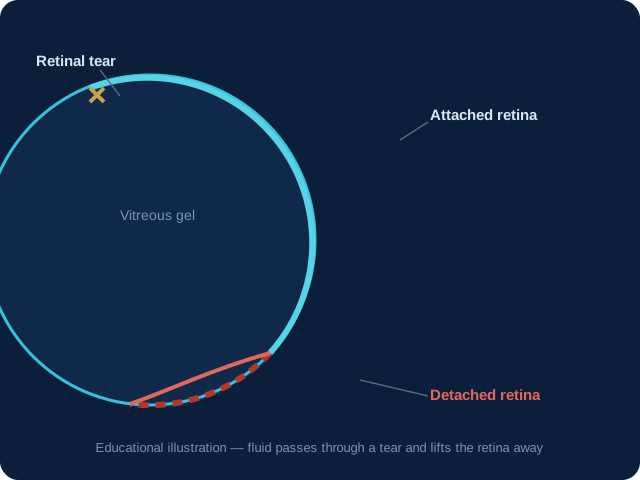
What Is Vitreo-Retinal Surgery?
Vitrectomy is the core operation of retina surgery. Through three self-sealing micro-incisions — each less than a millimetre — the surgeon inserts a light, an infusion line and fine instruments to remove the vitreous gel and work directly on the retina. Modern systems use 25- or 27-gauge instruments, so wounds usually need no stitches and heal quickly.
Vitrectomy is the platform for treating retinal detachment, non-clearing vitreous haemorrhage, epiretinal membranes, macular holes, severe diabetic tractional disease and some complications of other eye surgeries.
What Happens During Surgery
Depending on the problem, the surgeon may remove blood or scar tissue, flatten a detached retina, apply laser around tears or to diabetic retina, peel a membrane thinner than cling film from the macula, and leave the eye filled with a gas bubble or silicone oil to support the retina while it heals. Surgery is typically done under local anaesthesia with sedation and takes from under an hour to a few hours for complex cases.
Recovery and Realistic Expectations
Recovery depends on the condition treated. Gas-filled eyes require specific head positioning for some days and absolutely no air travel until the gas absorbs. Vision improves over weeks to months rather than overnight. Silicone oil, when used, is removed in a later short procedure. Follow-up visits track healing, eye pressure and the retina's position.
Outcomes in vitreo-retinal surgery have improved enormously, but no honest surgeon guarantees a specific visual result — the final vision depends on how much damage existed before surgery. This is why acting early on warning symptoms matters so much.
Understanding the diagnosis
A diagnosis of Vitreo-Retinal Surgery can raise practical questions about symptoms, tests, treatment and recovery. A careful consultation begins with your story: what you have noticed, how quickly it appeared, whether one or both eyes are involved, and whether conditions such as diabetes, blood pressure, previous surgery or injury may affect the eye. The aim is not to rush to a procedure. It is to understand the health of the whole eye and explain which findings matter most for your vision.
Symptoms and when to seek help
Some eye conditions develop slowly and may be noticed only during a routine examination. Others can cause a sudden change in sight. New flashes, a sudden shower of floaters, a curtain or shadow, sudden loss of vision, severe pain, marked redness after injury or rapidly worsening symptoms should be treated as urgent concerns. Routine appointments are appropriate for stable symptoms, but waiting is not a substitute for evaluation when vision changes quickly.
How the consultation works
Your visit is structured around a detailed history and an examination of each eye. Depending on the concern, this can include refraction, eye pressure measurement, slit-lamp examination, dilated retinal examination, retinal photography, OCT, visual fields, biometry, corneal mapping or other tests. Not every patient needs every test. The reason for each test should be clear, and you should have time to ask what the result means for your own situation.
Why measurements matter
Treatment decisions in retina and vitreous care depend on measurements as well as symptoms. Two people with similar glasses powers or similar complaints may have very different corneal, lens, retinal or optic-nerve findings. Good planning therefore combines examination findings, imaging, medical history, work demands, family history and personal priorities. Measurements are useful when they lead to a safer, more individualised decision rather than being treated as a sales promise.
Treatment options are individual
There may be more than one reasonable way to manage Vitreo-Retinal Surgery. Options can include observation with scheduled monitoring, medicines, laser treatment, injections, glasses, contact lenses or surgery. The right option depends on the stage of disease, the health of the other eye, your general health, likely benefits, possible risks, cost, recovery requirements and how urgently treatment is needed. A consultation should explain alternatives, not only the most intensive intervention.
Preparing for an appointment
Bring previous eye reports, scans, prescriptions, medication lists and details of any diabetes, hypertension or other long-term condition. If you use contact lenses, ask whether they should be removed before measurements. Dilating drops can temporarily blur near vision and make bright light uncomfortable, so arrange transport if your clinician advises dilation. Write down your main questions. Clear questions help you and the clinical team use the appointment well.
What recovery may involve
Recovery varies by diagnosis and treatment. Some visits involve no downtime, while others require drops, activity restrictions, protective eyewear or several follow-up examinations. It is important to use medicines exactly as prescribed, avoid rubbing the eye, attend reviews and contact the clinic if pain, redness, discharge or vision changes are unexpected. Do not compare your recovery with someone else’s; the treatment and the eye are personal.
Long-term monitoring
Many eye conditions are managed over time rather than solved in one visit. Follow-up allows the doctor to compare vision, pressure, scans and symptoms with earlier findings. Keep a record of appointments and medicines, and tell the clinic about changes in general health. People living with diabetes or blood-pressure problems should continue their regular medical care because systemic health and eye health are closely connected.
Questions to ask your doctor
Useful questions include: What exactly did the examination show? What is the goal of treatment? What happens if we monitor for now? Which alternatives apply to my eye? What are the common and serious risks? How many follow-ups will I need? Which symptoms should prompt an urgent call? What should I avoid during recovery? A good decision is one you understand and can follow safely.
A patient-first approach
At Sentra Clinic & Hospital, the emphasis is on a calm explanation, appropriate investigations and a plan that fits the patient. The website cannot diagnose an eye condition, confirm eligibility for surgery or predict an individual result. Those decisions require an in-person examination. Educational information can help you prepare, but it should support—not replace—the conversation with a qualified eye specialist.
Access and follow-up in Malad East
Dr. Rohit Modi consults at Sentra Clinic & Hospital at Shah Arcade 2, 002, First Floor, B Wing, Rani Sati Road, Malad East, Mumbai 400097. Patients can call 9372947075 or 02246057489 for appointments and clinic guidance. If you are travelling from another part of Mumbai, confirm the appointment time before leaving and bring your reports so the consultation can stay focused on your needs.
Medical disclaimer
This page is for patient education and general awareness. It does not create a doctor–patient relationship and does not replace diagnosis, treatment or emergency care. Results, risks and recovery differ between individuals. If you have a sudden or severe change in vision, seek urgent professional eye care rather than waiting for an online response or a routine appointment.
Understanding the diagnosis
A diagnosis of Vitreo-Retinal Surgery can raise practical questions about symptoms, tests, treatment and recovery. A careful consultation begins with your story: what you have noticed, how quickly it appeared, whether one or both eyes are involved, and whether conditions such as diabetes, blood pressure, previous surgery or injury may affect the eye. The aim is not to rush to a procedure. It is to understand the health of the whole eye and explain which findings matter most for your vision.
Symptoms and when to seek help
Some eye conditions develop slowly and may be noticed only during a routine examination. Others can cause a sudden change in sight. New flashes, a sudden shower of floaters, a curtain or shadow, sudden loss of vision, severe pain, marked redness after injury or rapidly worsening symptoms should be treated as urgent concerns. Routine appointments are appropriate for stable symptoms, but waiting is not a substitute for evaluation when vision changes quickly.
How the consultation works
Your visit is structured around a detailed history and an examination of each eye. Depending on the concern, this can include refraction, eye pressure measurement, slit-lamp examination, dilated retinal examination, retinal photography, OCT, visual fields, biometry, corneal mapping or other tests. Not every patient needs every test. The reason for each test should be clear, and you should have time to ask what the result means for your own situation.
Why measurements matter
Treatment decisions in retina and vitreous care depend on measurements as well as symptoms. Two people with similar glasses powers or similar complaints may have very different corneal, lens, retinal or optic-nerve findings. Good planning therefore combines examination findings, imaging, medical history, work demands, family history and personal priorities. Measurements are useful when they lead to a safer, more individualised decision rather than being treated as a sales promise.
Treatment options are individual
There may be more than one reasonable way to manage Vitreo-Retinal Surgery. Options can include observation with scheduled monitoring, medicines, laser treatment, injections, glasses, contact lenses or surgery. The right option depends on the stage of disease, the health of the other eye, your general health, likely benefits, possible risks, cost, recovery requirements and how urgently treatment is needed. A consultation should explain alternatives, not only the most intensive intervention.
Preparing for an appointment
Bring previous eye reports, scans, prescriptions, medication lists and details of any diabetes, hypertension or other long-term condition. If you use contact lenses, ask whether they should be removed before measurements. Dilating drops can temporarily blur near vision and make bright light uncomfortable, so arrange transport if your clinician advises dilation. Write down your main questions. Clear questions help you and the clinical team use the appointment well.
What recovery may involve
Recovery varies by diagnosis and treatment. Some visits involve no downtime, while others require drops, activity restrictions, protective eyewear or several follow-up examinations. It is important to use medicines exactly as prescribed, avoid rubbing the eye, attend reviews and contact the clinic if pain, redness, discharge or vision changes are unexpected. Do not compare your recovery with someone else’s; the treatment and the eye are personal.
Long-term monitoring
Many eye conditions are managed over time rather than solved in one visit. Follow-up allows the doctor to compare vision, pressure, scans and symptoms with earlier findings. Keep a record of appointments and medicines, and tell the clinic about changes in general health. People living with diabetes or blood-pressure problems should continue their regular medical care because systemic health and eye health are closely connected.
Questions to ask your doctor
Useful questions include: What exactly did the examination show? What is the goal of treatment? What happens if we monitor for now? Which alternatives apply to my eye? What are the common and serious risks? How many follow-ups will I need? Which symptoms should prompt an urgent call? What should I avoid during recovery? A good decision is one you understand and can follow safely.
A patient-first approach
At Sentra Clinic & Hospital, the emphasis is on a calm explanation, appropriate investigations and a plan that fits the patient. The website cannot diagnose an eye condition, confirm eligibility for surgery or predict an individual result. Those decisions require an in-person examination. Educational information can help you prepare, but it should support—not replace—the conversation with a qualified eye specialist.
Access and follow-up in Malad East
Dr. Rohit Modi consults at Sentra Clinic & Hospital at Shah Arcade 2, 002, First Floor, B Wing, Rani Sati Road, Malad East, Mumbai 400097. Patients can call 9372947075 or 02246057489 for appointments and clinic guidance. If you are travelling from another part of Mumbai, confirm the appointment time before leaving and bring your reports so the consultation can stay focused on your needs.
Medical disclaimer
This page is for patient education and general awareness. It does not create a doctor–patient relationship and does not replace diagnosis, treatment or emergency care. Results, risks and recovery differ between individuals. If you have a sudden or severe change in vision, seek urgent professional eye care rather than waiting for an online response or a routine appointment.
Understanding the diagnosis
A diagnosis of Vitreo-Retinal Surgery can raise practical questions about symptoms, tests, treatment and recovery. A careful consultation begins with your story: what you have noticed, how quickly it appeared, whether one or both eyes are involved, and whether conditions such as diabetes, blood pressure, previous surgery or injury may affect the eye. The aim is not to rush to a procedure. It is to understand the health of the whole eye and explain which findings matter most for your vision.
Symptoms and when to seek help
Some eye conditions develop slowly and may be noticed only during a routine examination. Others can cause a sudden change in sight. New flashes, a sudden shower of floaters, a curtain or shadow, sudden loss of vision, severe pain, marked redness after injury or rapidly worsening symptoms should be treated as urgent concerns. Routine appointments are appropriate for stable symptoms, but waiting is not a substitute for evaluation when vision changes quickly.
Eye Surgeon | Refractive & Retina Specialist · FRCS (Glasgow)
Last reviewed: 4 September 2026